Stay informed
Jewish News Feed
Curated stories from the Jewish community worldwide
▶️ YouTube Shorts

From Talmud to Dracula: How a Hungarian Rabbi's Footnote Gave Hebrew the Word for Vampire

Hebrew Named Cinema Three Times
🇮🇱 Israel

A Lightweight Israeli Material Could Give Oil Spills a New Cleanup Tool
A team of Israeli researchers has developed a cellulose-based aerogel with an unusual ability: it can absorb roughly 100 times its own weight in oil. The material is light, porous, and made from a plant-derived substance, qualities that could make it useful in situations where cleanup equipment must be moved quickly.
Oil spills are difficult to manage because the pollutant spreads across a wide surface while water continues to move underneath it. Traditional responses can require bulky barriers, specialized machinery, and large quantities of absorbent material. A high-capacity aerogel offers a different possibility: concentrate the oil in a material that can be collected after it has done its job.
The science depends on structure. By processing cellulose into an airy network, researchers create a large internal surface while keeping the material remarkably light. Treatments can make that network more attracted to oil than to water, allowing it to capture the contaminant without simply soaking up the surrounding sea or freshwater.
From an environmental perspective, the use of cellulose is significant. Plant-based feedstocks are widely available, and materials built from them may offer a less resource-intensive alternative to some petroleum-derived cleanup products. The eventual impact will depend on manufacturing cost, reuse, disposal, and performance under real conditions rather than in a laboratory alone.
Still, the work points toward a valuable direction in environmental engineering: solutions that combine high performance with simpler ingredients. Whether used near industrial sites, ports, or remote waterways, lightweight absorbents could help responders act earlier, when a spill is smaller and easier to contain.
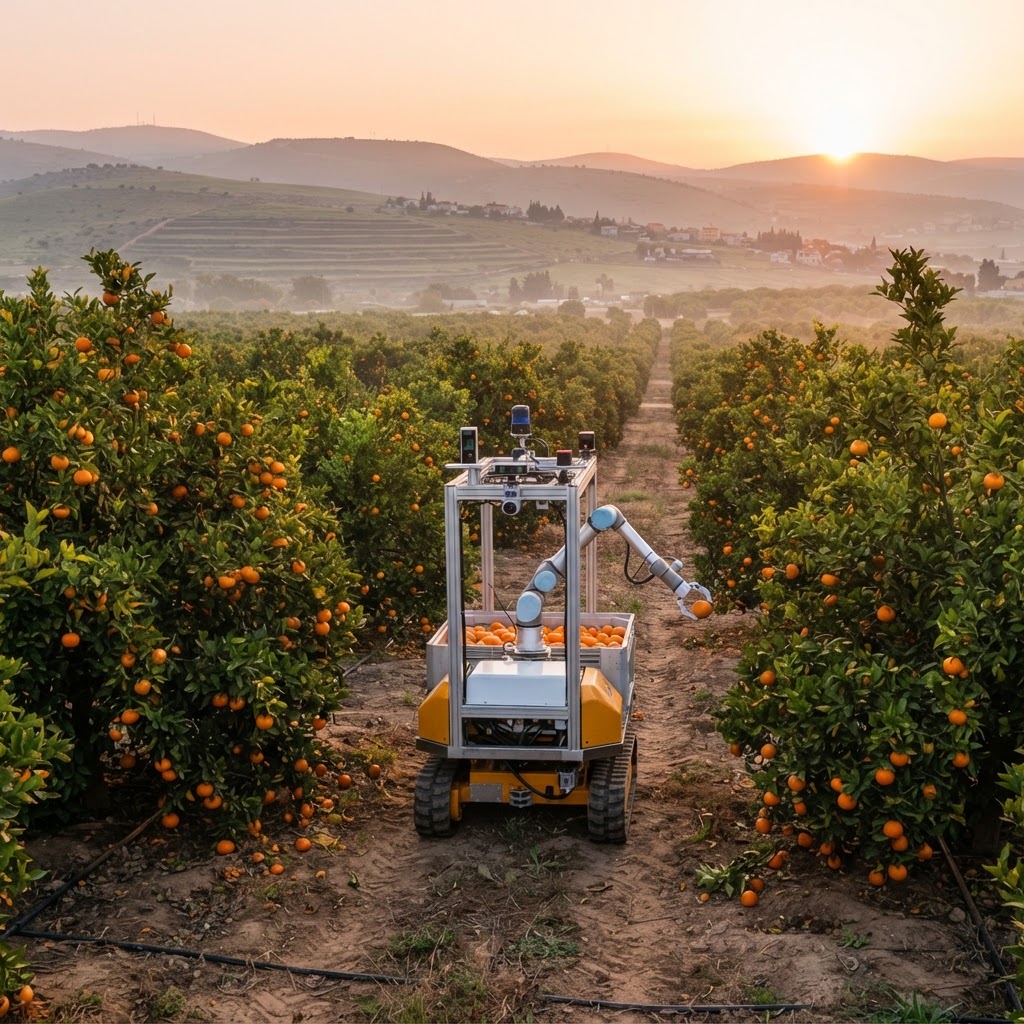
The Robot in the Orange Grove
israel

A Tel Aviv University Study Looks at the Mechanics of Walking
israel

Could Humans Really Live to 156?
israel

The Israeli-Owned Airline Turning Ben Gurion into a Regional Gateway
israel
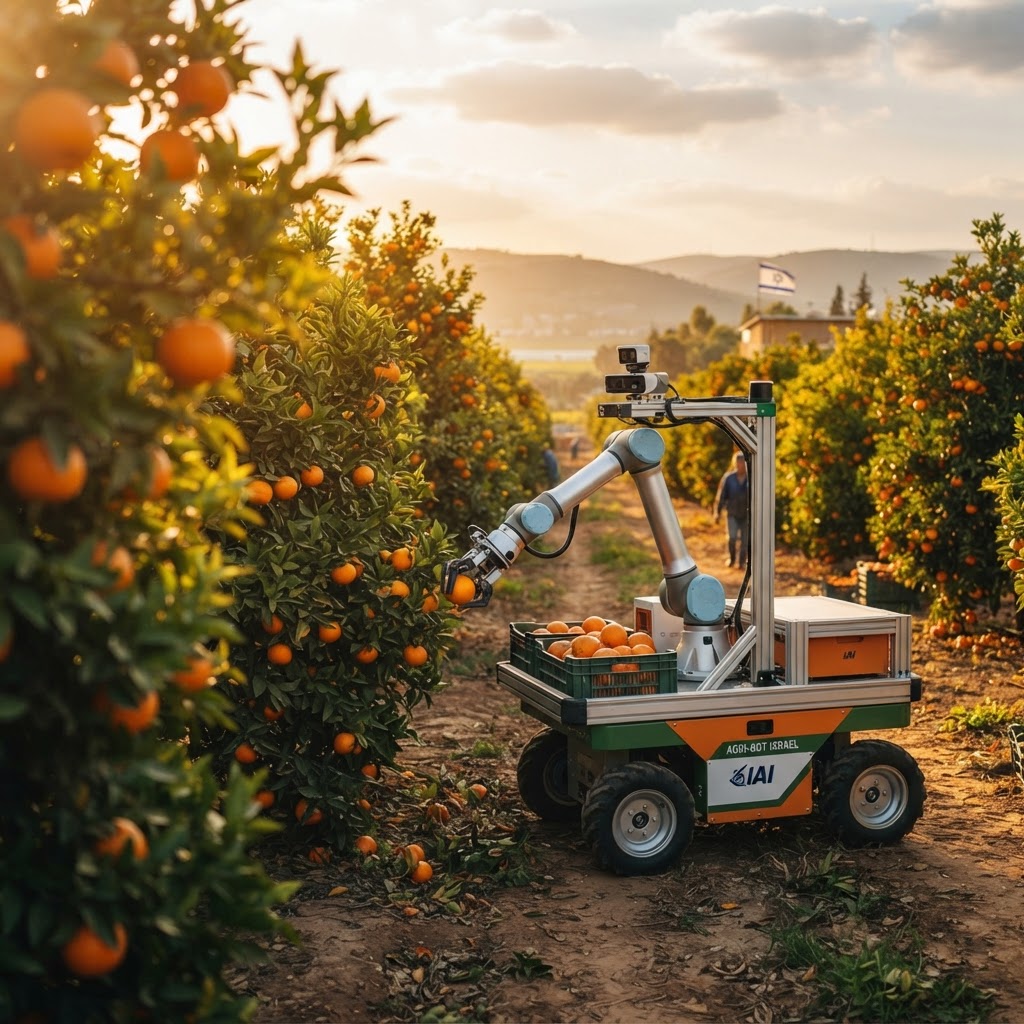
Israeli Citrus Harvest Gets a Robotic Assist
israel
💻 Technology
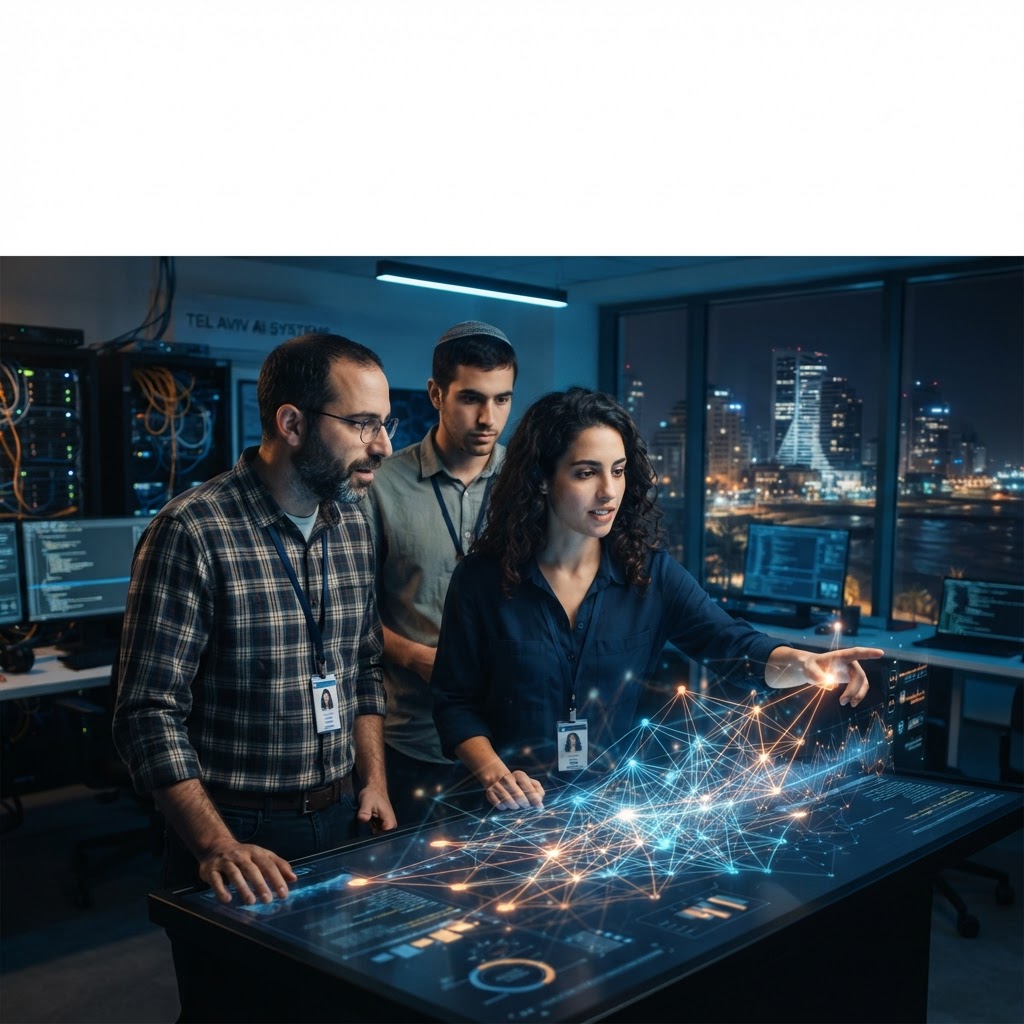
The Israeli AI Lab Building Models That Keep Learning
A young Israeli artificial-intelligence company is drawing major attention with a question that reaches beyond the usual race for larger models: can an AI system continue adapting after its formal training is finished?
Most widely used models are trained on a fixed collection of information and then deployed. They can be updated, but the basic system remains largely frozen between training cycles. Researchers at the new lab are pursuing a different approach, designing models that can absorb experience from interaction while attempting to preserve what they have already learned.
The idea is inspired partly by biology. Human learning does not end when school does; people adjust to new situations, revise assumptions, and develop skills through practice. Recreating that flexibility in a machine is difficult because an AI that learns too freely can also forget earlier knowledge or pick up unreliable patterns.
That makes the engineering challenge as much about restraint as speed. The system must determine which new information is useful, how confidently it should be stored, and when a human should review the change. Those safeguards will matter if adaptive models are used in workplaces where a quiet error can spread quickly.
Israel’s research community has long combined academic experimentation with startup ambition, and this project sits directly at that intersection. Its promise is not a magical machine that knows everything, but a more practical kind of software: one that becomes better at a task because it encounters the real world, while remaining transparent enough for people to stay in control.
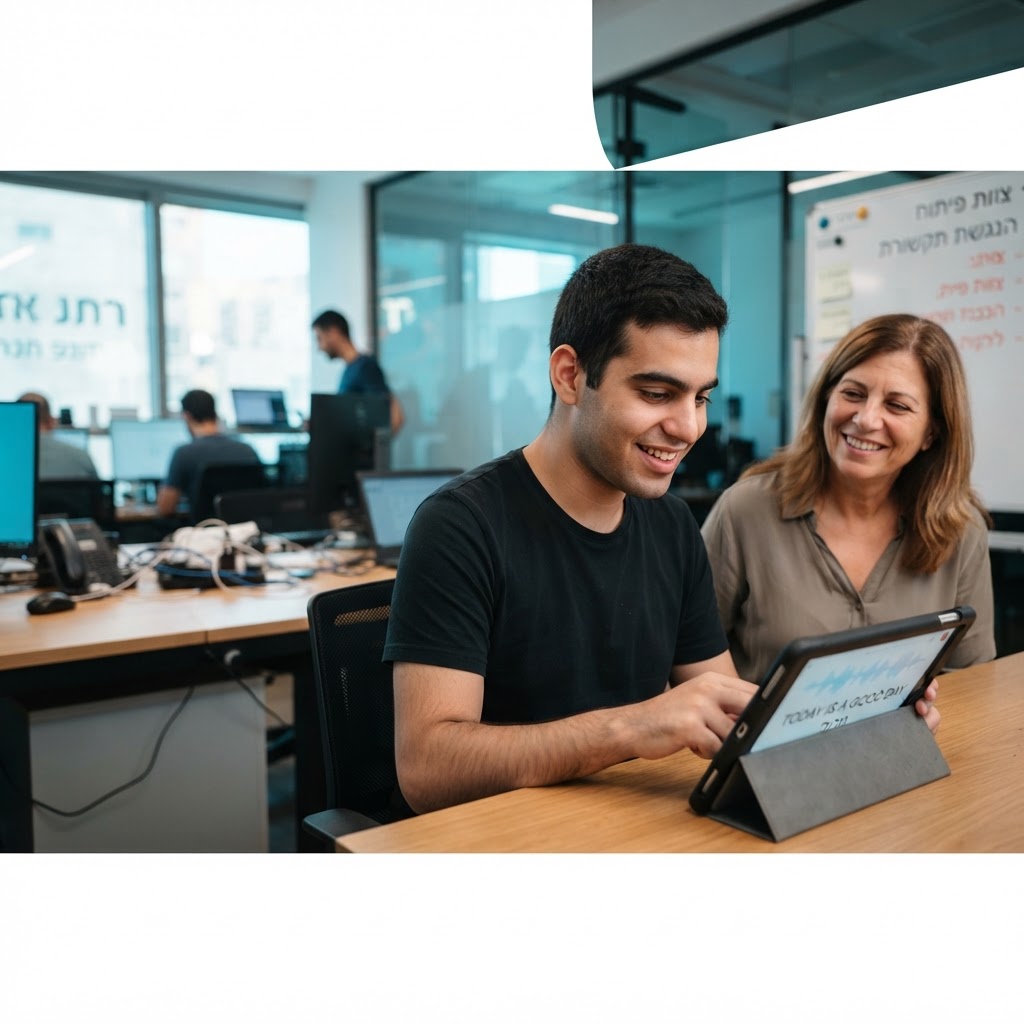
The Israeli Startup Giving a Clearer Voice to People with Speech Difficulties
technology
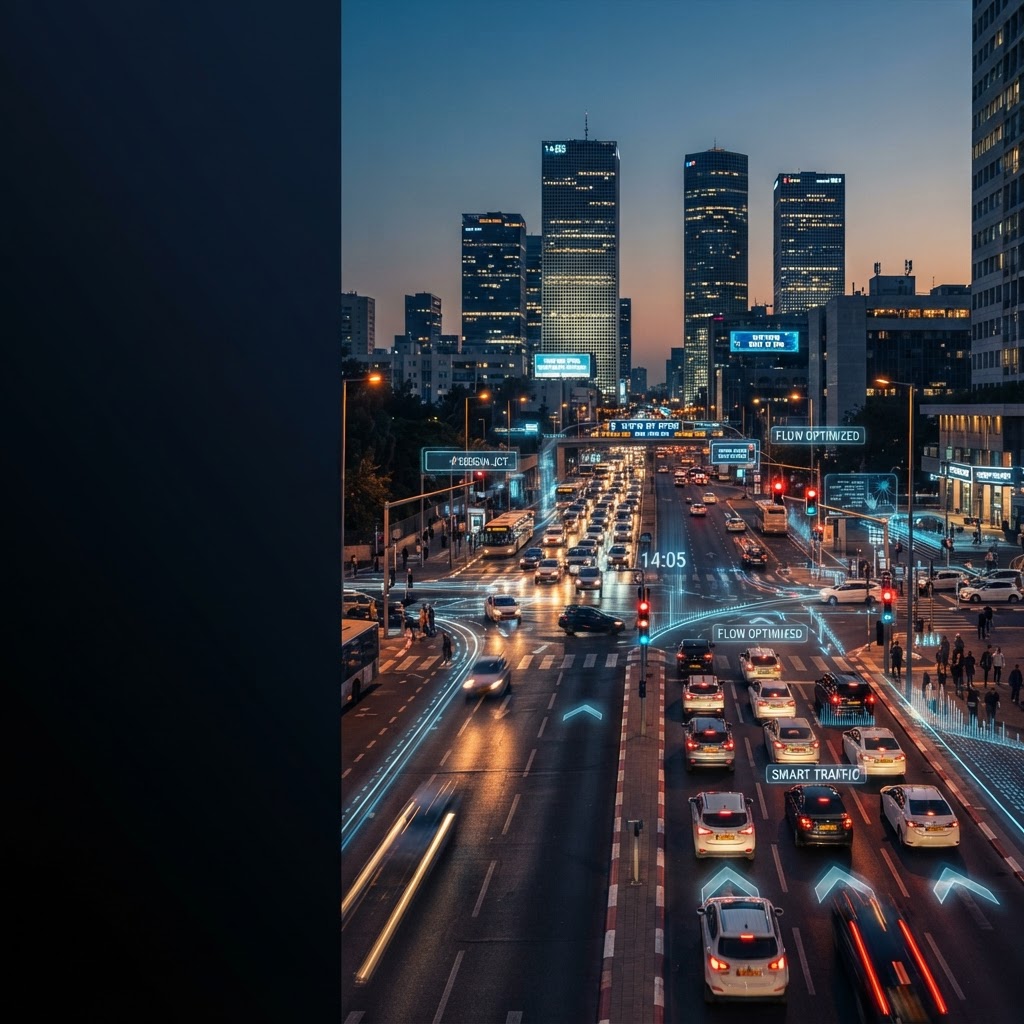
The Israeli Traffic System Watching Intersections in Real Time
technology
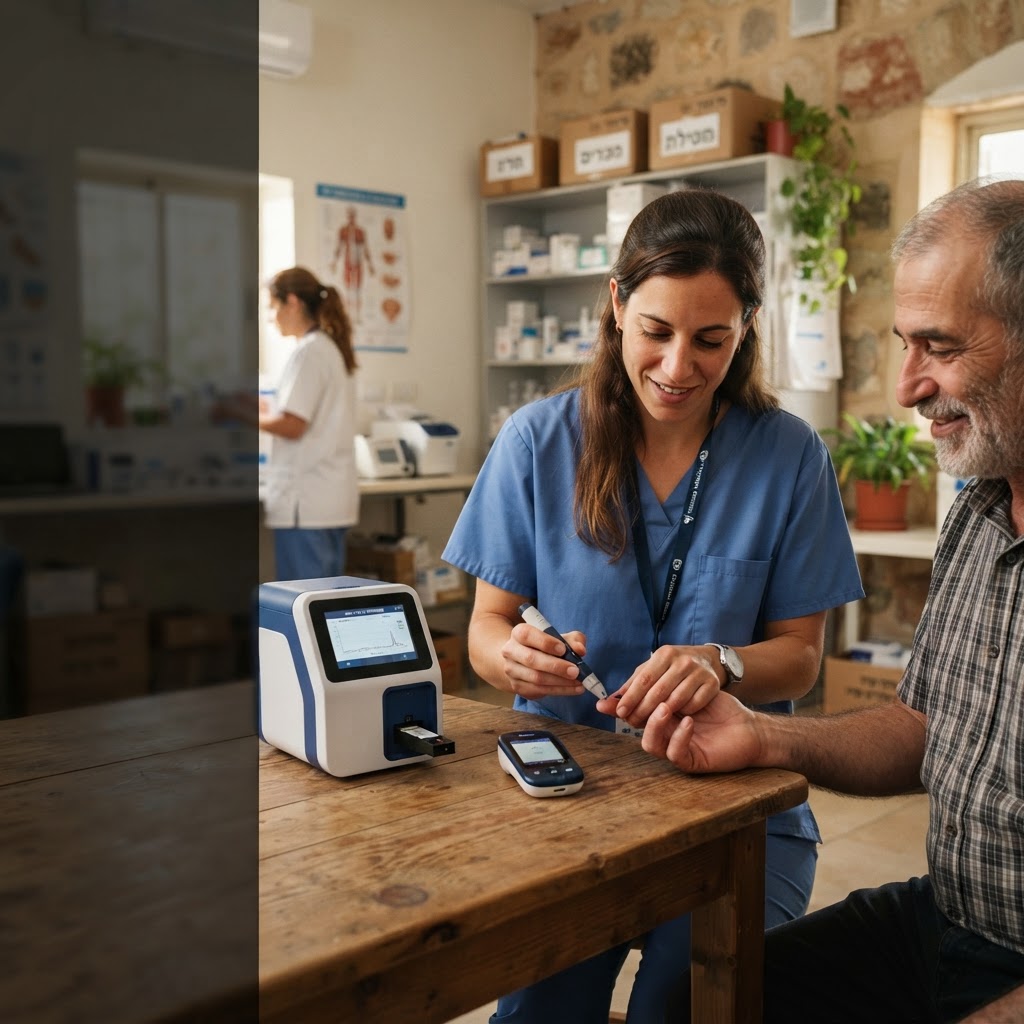
The Finger-Prick Lab Bringing Full Blood Tests Beyond the Hospital
technology

Innovative Israeli Startup Helps Those with Speech Impairments Communicate
technology

Israeli Water Technology: Transforming Global Water Management
technology
👥 Society
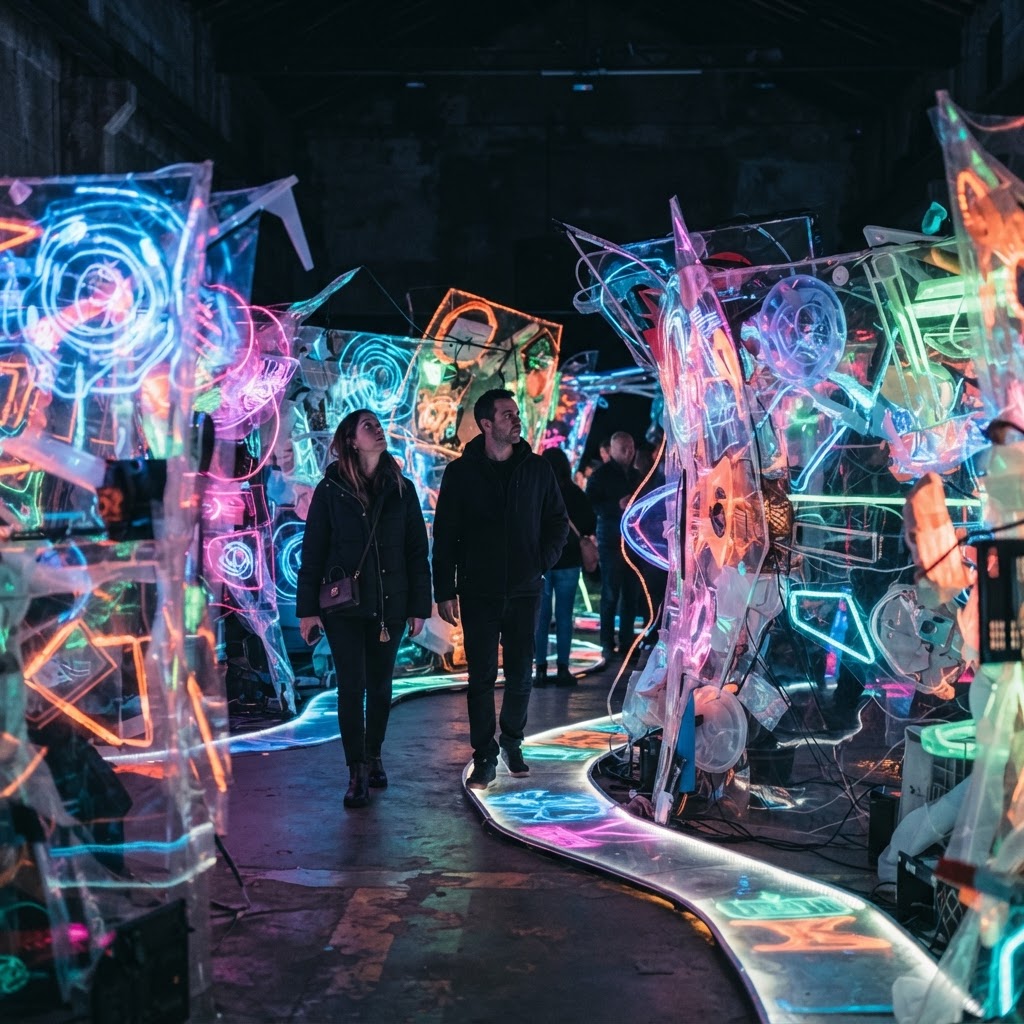
Inside the Exhibition Where Artists Build Tomorrow from Yesterday’s Materials
In Tel Aviv, a new immersive exhibition invites visitors to imagine the future without pretending that the present has disappeared. More than 30 artists have filled the space with interactive works that combine projected light, artificial intelligence, and materials given a second life.
The exhibition’s central idea is simple: the future is not a distant destination. It is being assembled from the choices people make now, including what they throw away, what they preserve, and which questions they are willing to ask together.
Visitors do not move through a conventional sequence of framed objects. They encounter rooms that respond to movement, surfaces that change under shifting light, and installations whose recycled components remain visible rather than being disguised. That transparency gives the work a tactile quality. The technology may be advanced, but the invitation is physical: walk closer, look again, notice how an old material can carry a new meaning.
Artificial intelligence appears here as a creative instrument rather than a replacement for the artist. It helps generate possibilities, patterns, and responses, while the human decisions remain visible in the editing, arrangement, and emotional direction of each piece. The result is less a display of machines than a conversation about responsibility.
For families and younger visitors, the exhibition offers an especially approachable entry into questions that can otherwise feel abstract. What should a city keep? What can be repaired? How might design encourage care instead of consumption? The show does not answer these questions on the visitor’s behalf. It makes them vivid enough to carry out of the gallery and into everyday life.
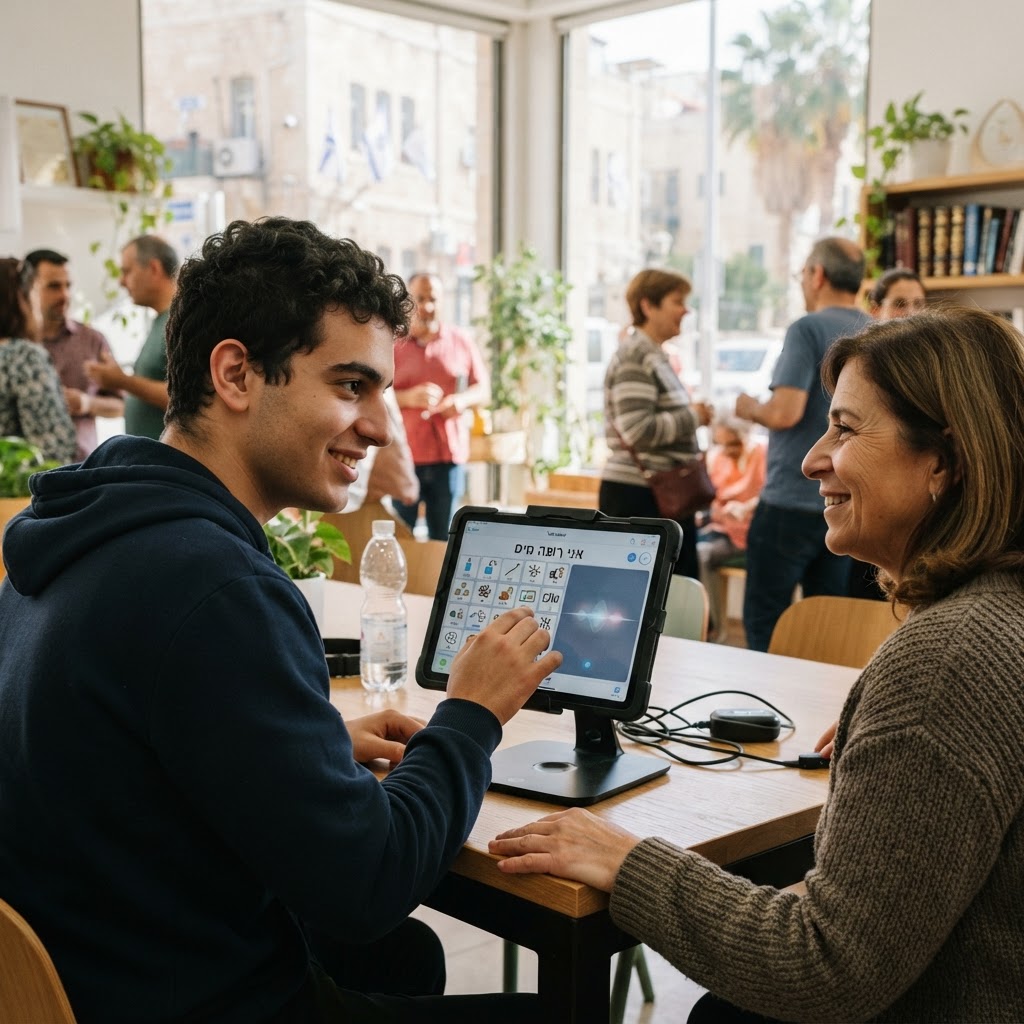
The Israeli Device Helping More People Be Heard
society

What Children Learn From the Fears Adults Never Say Out Loud
society

Israeli Teens Are Relearning How to Put the Phone Down
society
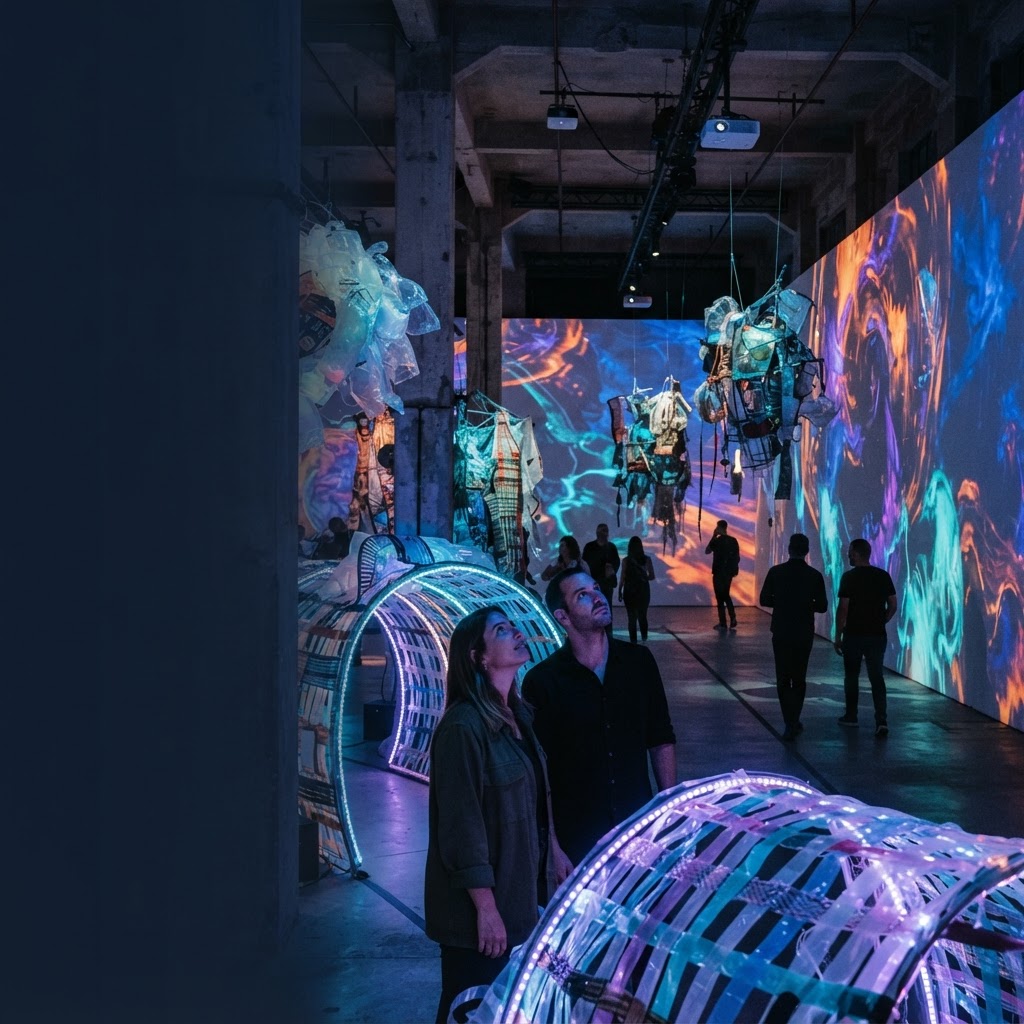
Israeli Artists Build a Window into Tomorrow with Immersive Exhibition
society

The Revitalization of Jewish Art in Modern Israel
society
✡️ Jewishness

The Ingenious Mathematics Behind the Hebrew Calendar
The Hebrew calendar looks familiar at first glance: months, holidays and a new year. Underneath, however, it is a carefully balanced system designed to follow two different clocks at once—the moon and the seasons.
A lunar month is shorter than the solar year. If a calendar followed the moon alone, holidays would gradually drift through spring, summer, autumn and winter. The Hebrew system solves that problem by adding an extra month in selected years, bringing the lunar cycle back into alignment with the agricultural seasons.
This structure is why festivals such as Passover remain connected to spring even though their dates move from year to year on the Gregorian calendar. The system is not a simple list of dates; it is an ongoing mathematical conversation between observation, calculation and tradition.
The calendar also reflects an important Jewish idea about time. Time is not treated as an abstract measurement only—it is organized around memory, ritual and communal life. A calculation made centuries ago still shapes when families gather, fast, celebrate and read from the Torah today.
Its elegance lies in the balance: the moon gives the months their rhythm, the sun keeps the year grounded in the seasons, and the community turns that structure into lived Jewish experience.
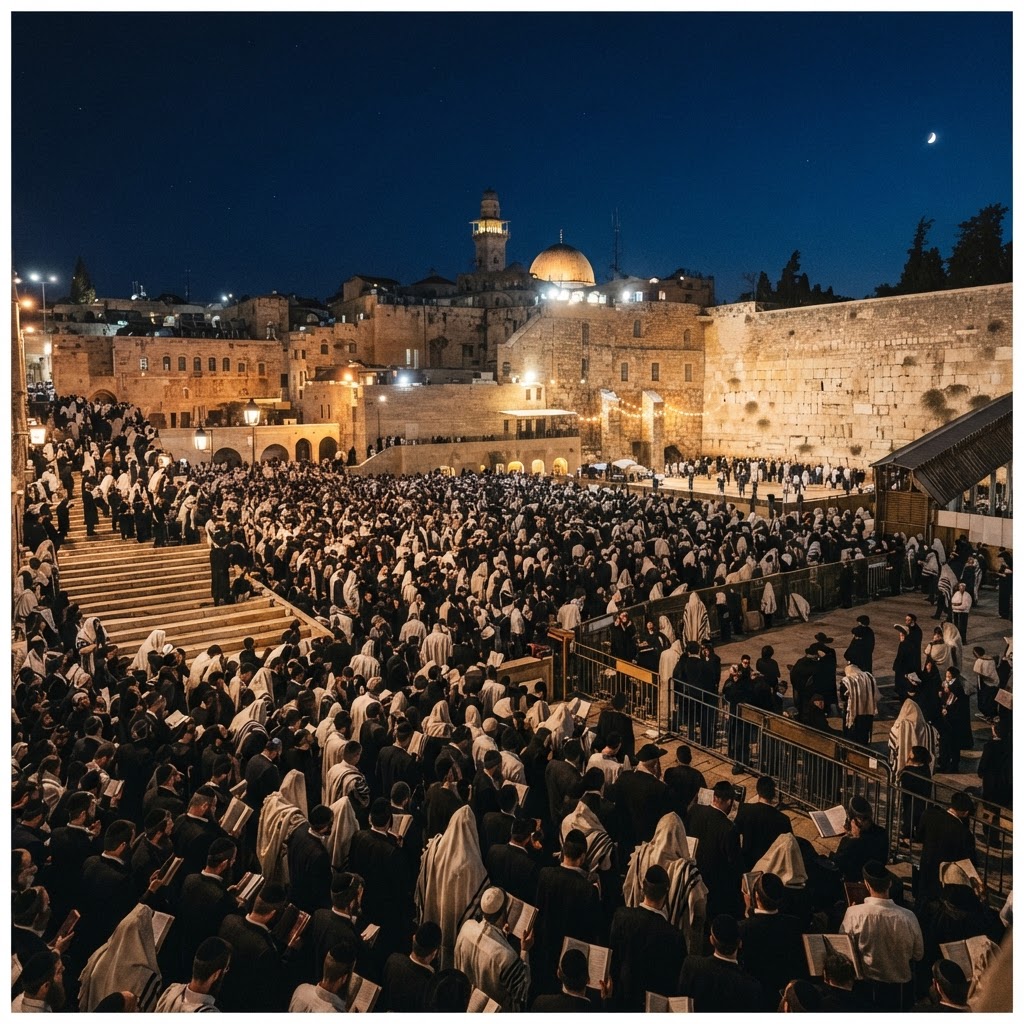
Selichot Turns the Western Wall into a School of Reflection
jewishness
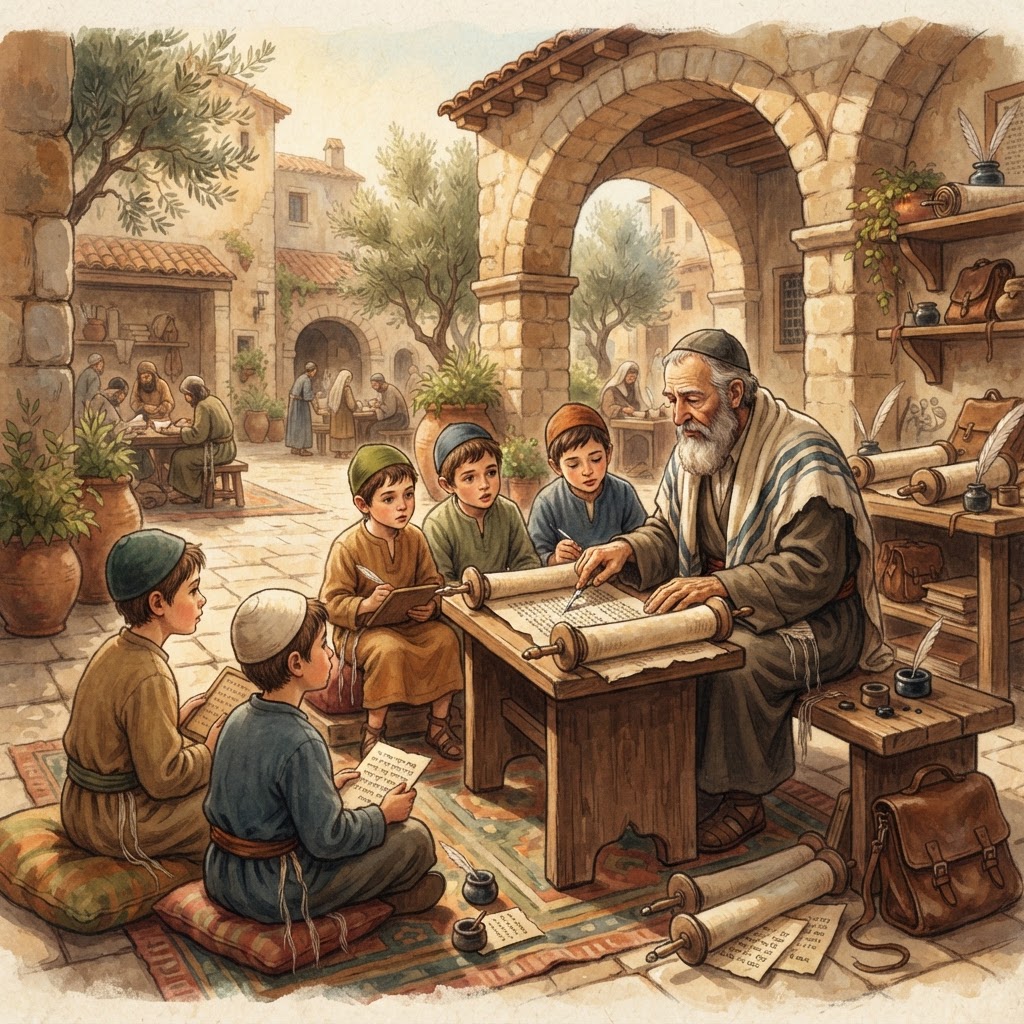
How Jewish Children Learned Hebrew a Thousand Years Ago
jewishness

A New Measure for Marriage: Israel Reconsiders the Ketubah Promise
jewishness

The Quiet Art of Preparing for Shabbat
jewishness

The Enemy Within: What This Week’s Torah Portion Teaches About Inner Conflict
jewishness
🌍 Diaspora
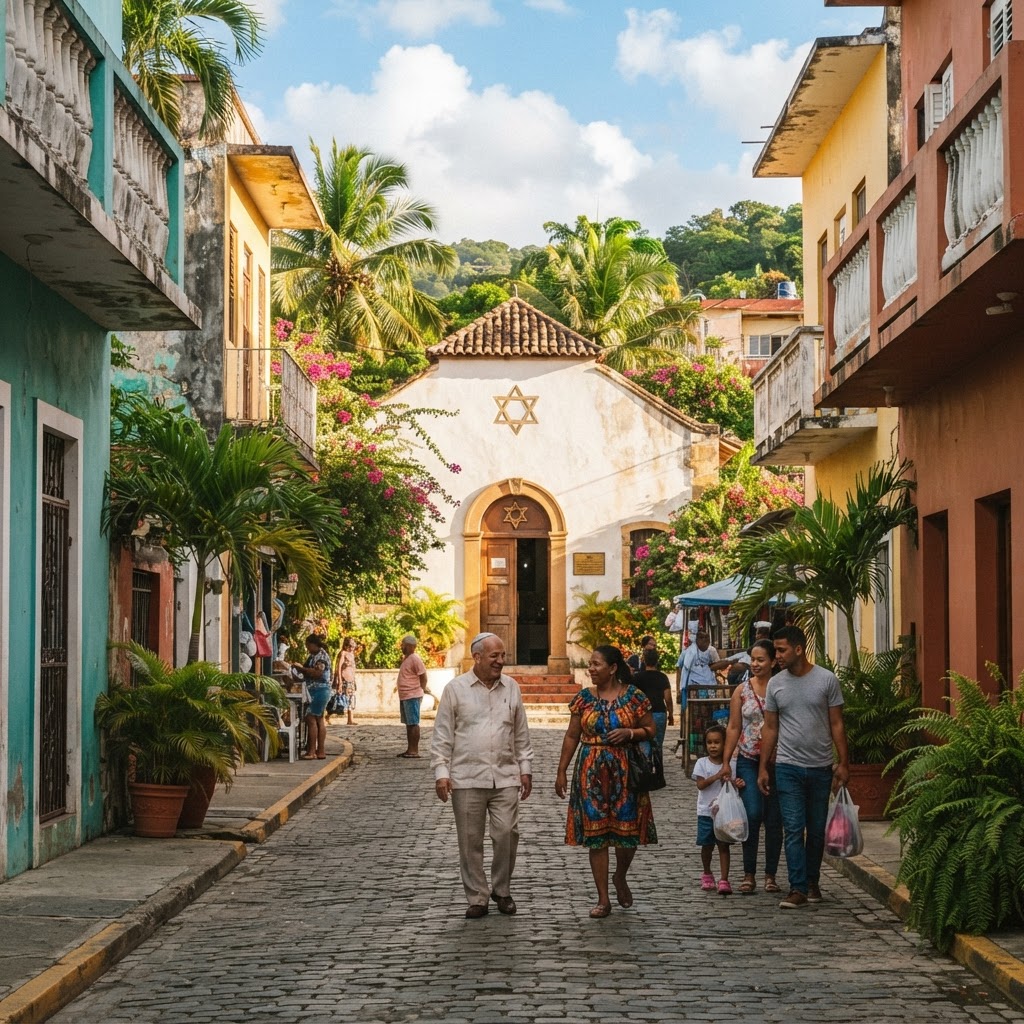
In the Dominican Republic, a Small Jewish Community Finds New Visibility
In the Dominican Republic, Jewish life is easy to overlook from the outside. The community is small, but its history reaches back further than many visitors realize, and its members are finding new ways to make that story visible.
Recent attention to the country’s Jewish heritage has brought together local leaders, historians and community representatives. Their work highlights a Jewish presence shaped by migration, family ties and the steady effort required to maintain institutions when there are only a few worshippers in the room.
Visibility does not mean turning a community into a museum piece. It means allowing Jewish residents to speak about their own lives while helping neighbors understand the traditions and history that surround them. Public recognition can support that process when it is paired with genuine local participation.
The Dominican example is a reminder that diaspora strength cannot be measured by numbers alone. A small community can preserve memory, welcome newcomers and contribute to the wider civic story. Sometimes continuity begins with something as modest—and as important—as keeping the doors open and telling the history accurately.

Starting Over, One Practical Step at a Time
diaspora
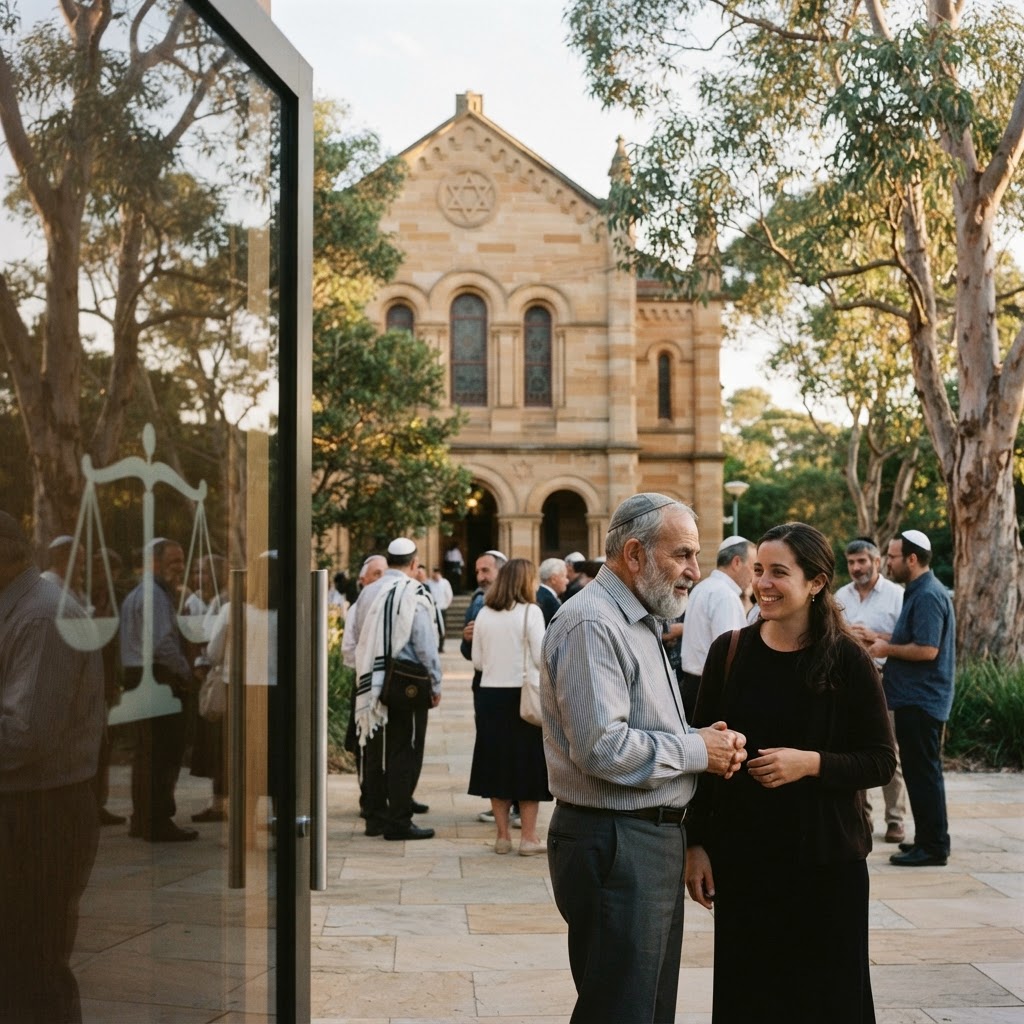
Jewish Life in Australia Faces a New Test of Public Trust
diaspora

A Jewish Travel Community Finds Itself at the Center of a Koh Samui Dispute
diaspora
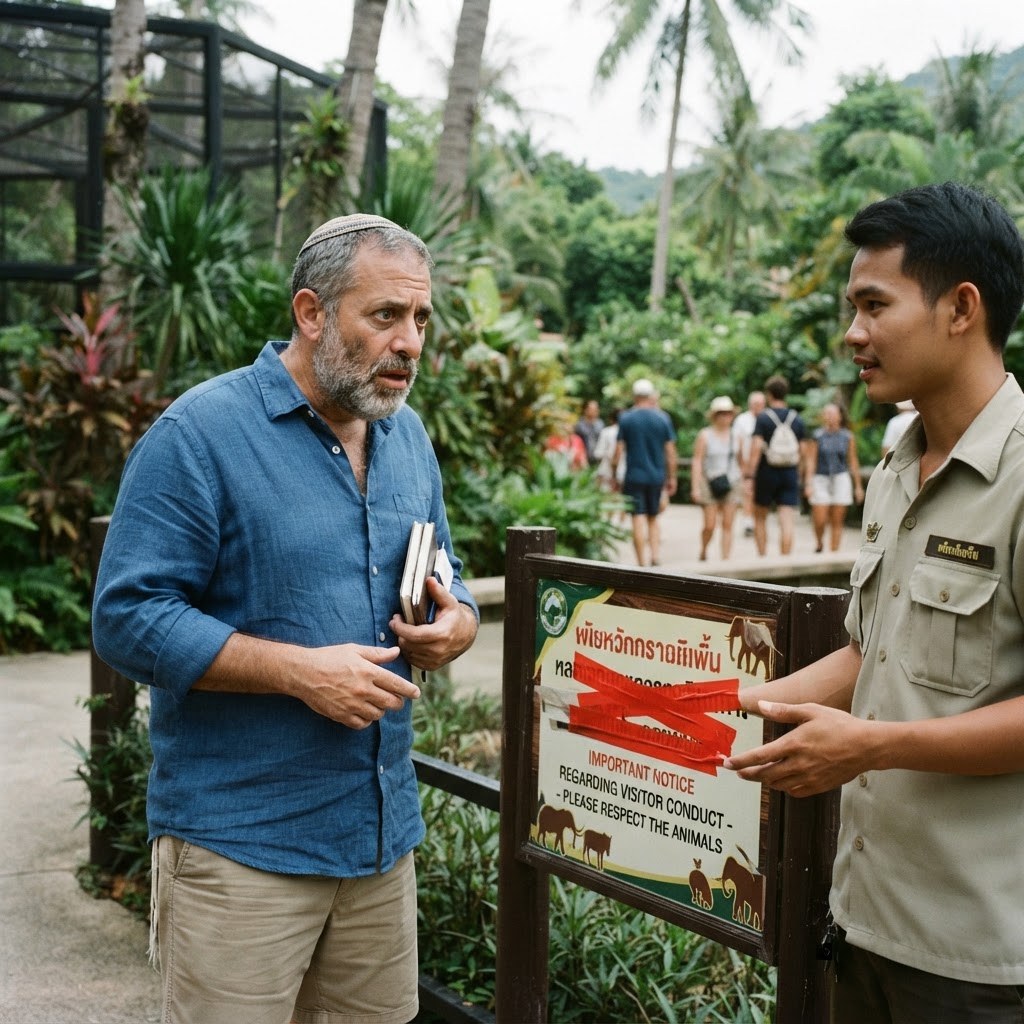
When a Tropical Holiday Becomes a Question of Belonging
diaspora
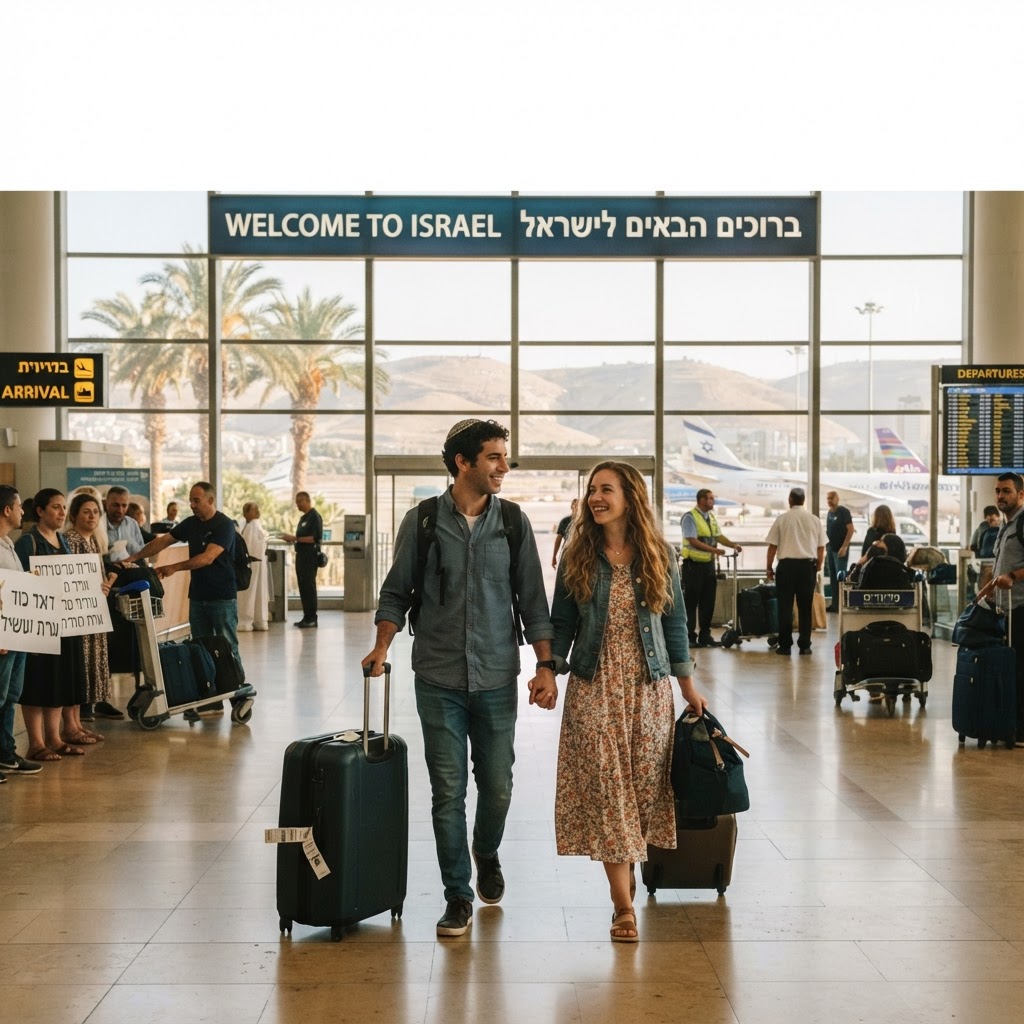
When the Aliyah Plan Finally Meets Reality
diaspora
🤝 Community
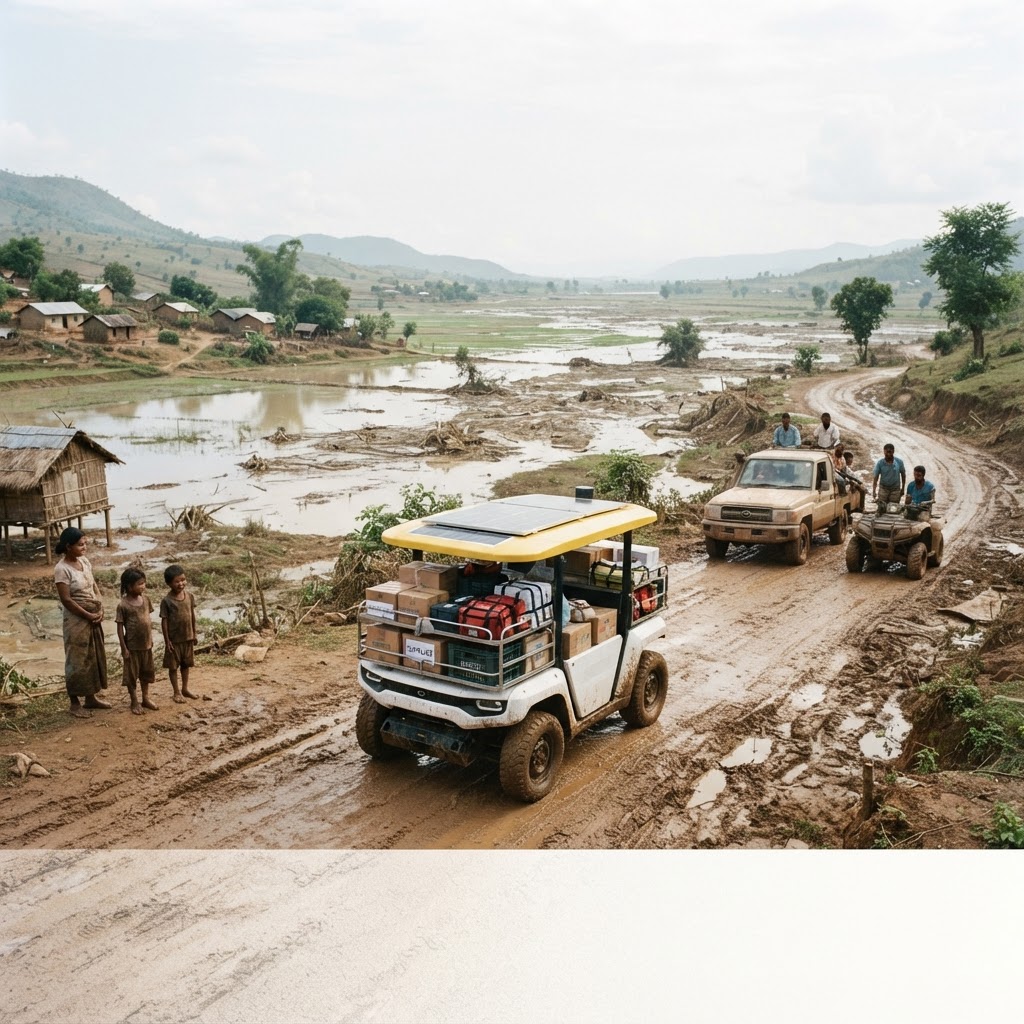
The Emergency Network Trying to Predict Where Help Will Be Needed Next
Emergency response is usually described as a race against the clock, but a growing humanitarian effort is asking whether help can begin before a crisis call arrives. By combining local knowledge with data about weather, roads, population movement, and past emergencies, aid organizations are testing systems that can position supplies closer to the people most likely to need them.
The idea is especially important in places where roads are unreliable or clinics are far apart. Small remotely operated vehicles can carry food, medicine, and communications equipment across difficult terrain, allowing trained teams to stay safer while essential goods continue moving. The machines are not meant to replace human responders; they extend the reach of people who know how to assess needs and care for communities.
Prediction, however, is only useful when it is paired with trust. Local volunteers must help interpret the data, identify households that automated systems might overlook, and decide how resources are distributed. A map can show where a flood may travel, but it cannot explain which neighbor needs refrigeration for medicine or which family has no way to reach a collection point.
The emerging model is therefore less about machines taking control than about communities gaining a longer head start. When equipment, volunteers, and supplies are coordinated in advance, a humanitarian response can become more precise and less wasteful. The ultimate measure of success will be simple: whether assistance arrives earlier, reaches farther, and preserves dignity along the way.
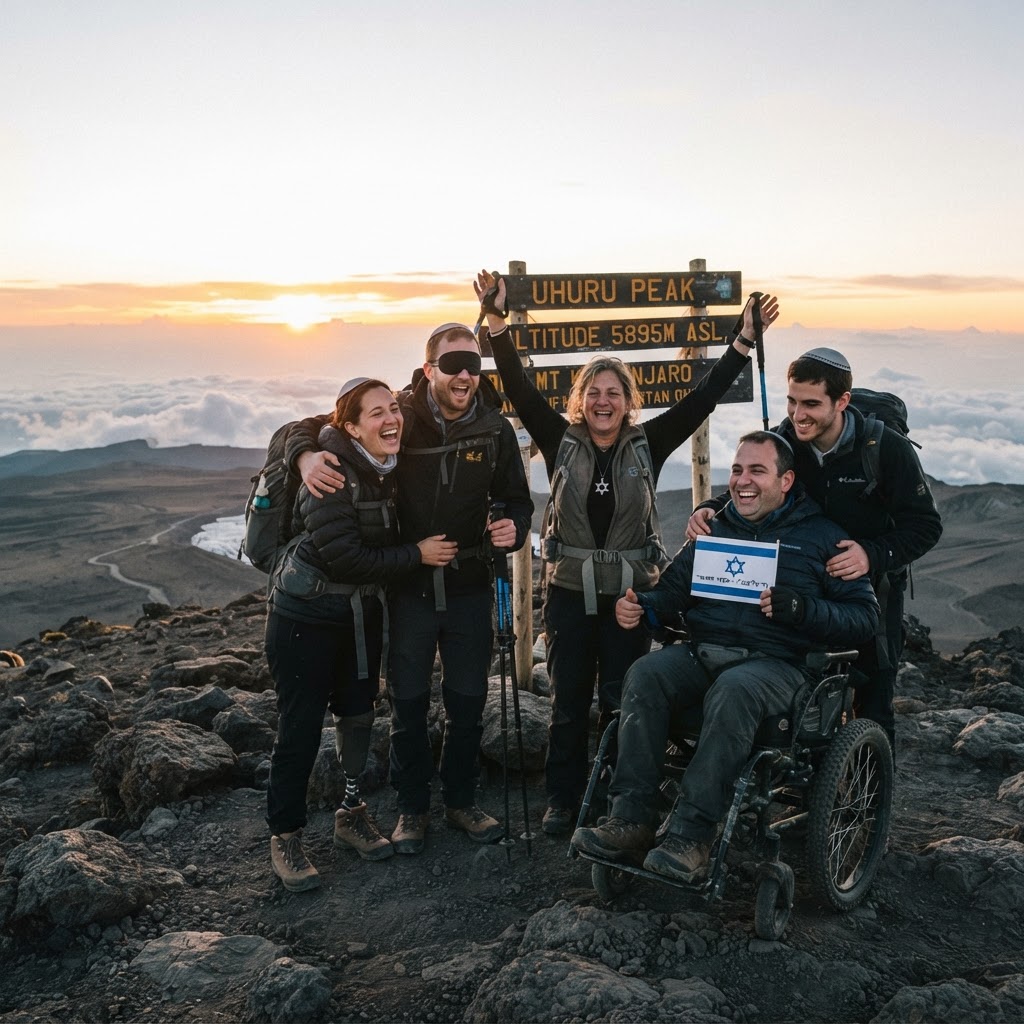
A Summit Above the Clouds: An Inclusive Israeli Team Takes on Kilimanjaro
community

AI Takes Humanitarian Aid Into the Hardest Places to Reach
community
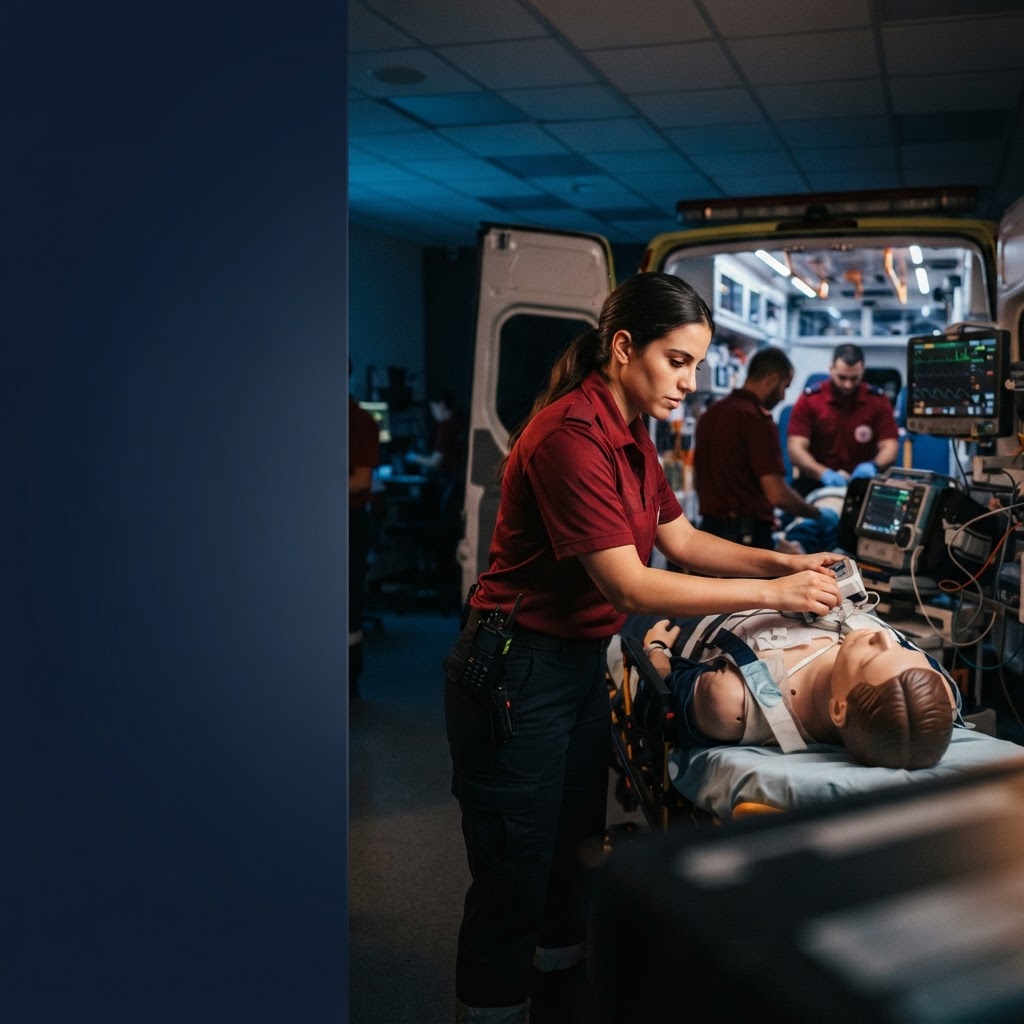
Inside the Israeli Training Center That Makes Medical Chaos Familiar
community
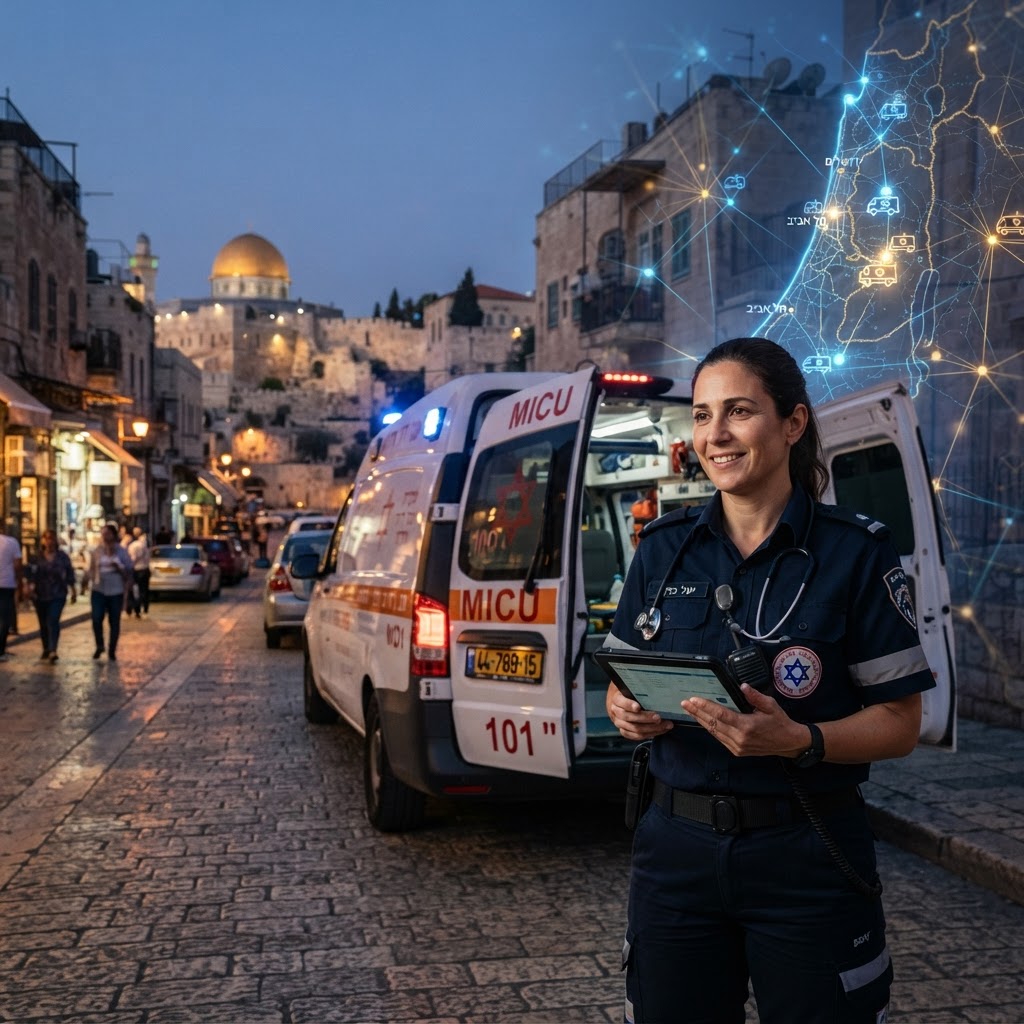
The Emergency Network Trying to Predict Where Help Will Be Needed Next
community

Israel Launches First National Program to Recruit Jewish Teachers from North America
community
📜 History

Vilnius’s Jewish Cemetery and the Work of Remembering
In Vilnius, a dispute over a proposed conference center has drawn attention to a place that is more than a parcel of urban land: the historic Snipiskes Jewish cemetery. The site carries centuries of memory, and its future has become a test of whether development can coexist with the obligation to protect what cannot be replaced.
Jewish cemeteries often survive in complicated conditions. Streets grow around them, records are scattered, and the physical markers of communal life may be damaged or hidden. Yet the stones, boundaries, and names form an archive of ordinary people—families, teachers, tradespeople, and neighbors whose lives once shaped the city.
Preservation is not only about keeping old monuments intact. It is also about giving communities a voice in decisions that affect their heritage, documenting what remains, and teaching younger generations why a quiet piece of ground matters. In Vilnius, remembering is becoming an active civic responsibility.
The lesson reaches far beyond Lithuania: a city’s history is strongest when it makes room for all the communities that helped build it.

Ada Yonath’s Ribosome Legacy Still Shapes the Fight Against Drug Resistance
history
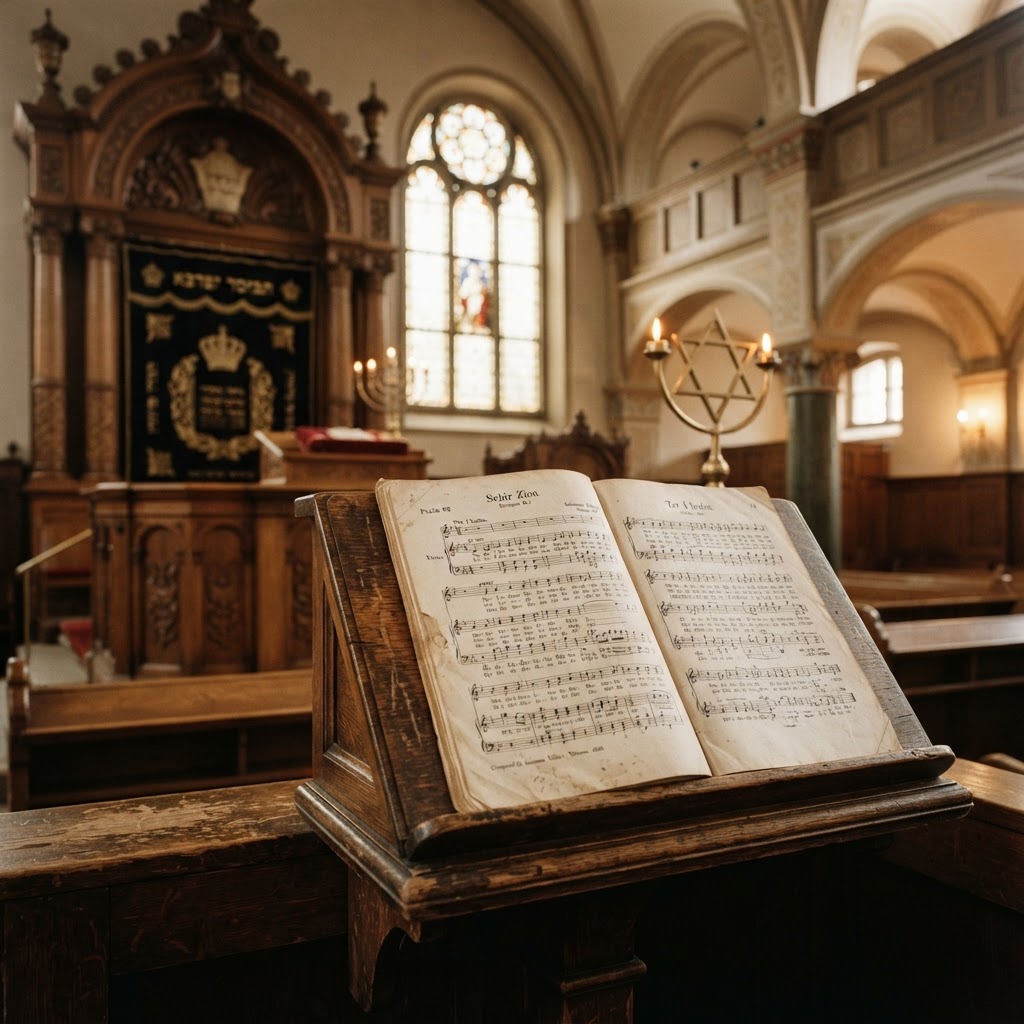
After Silence, the Score Returns: Reclaiming Germany's Synagogue Music
history

More Than a False Messiah: Why Sabbatai Zevi Still Shapes Jewish Memory
history
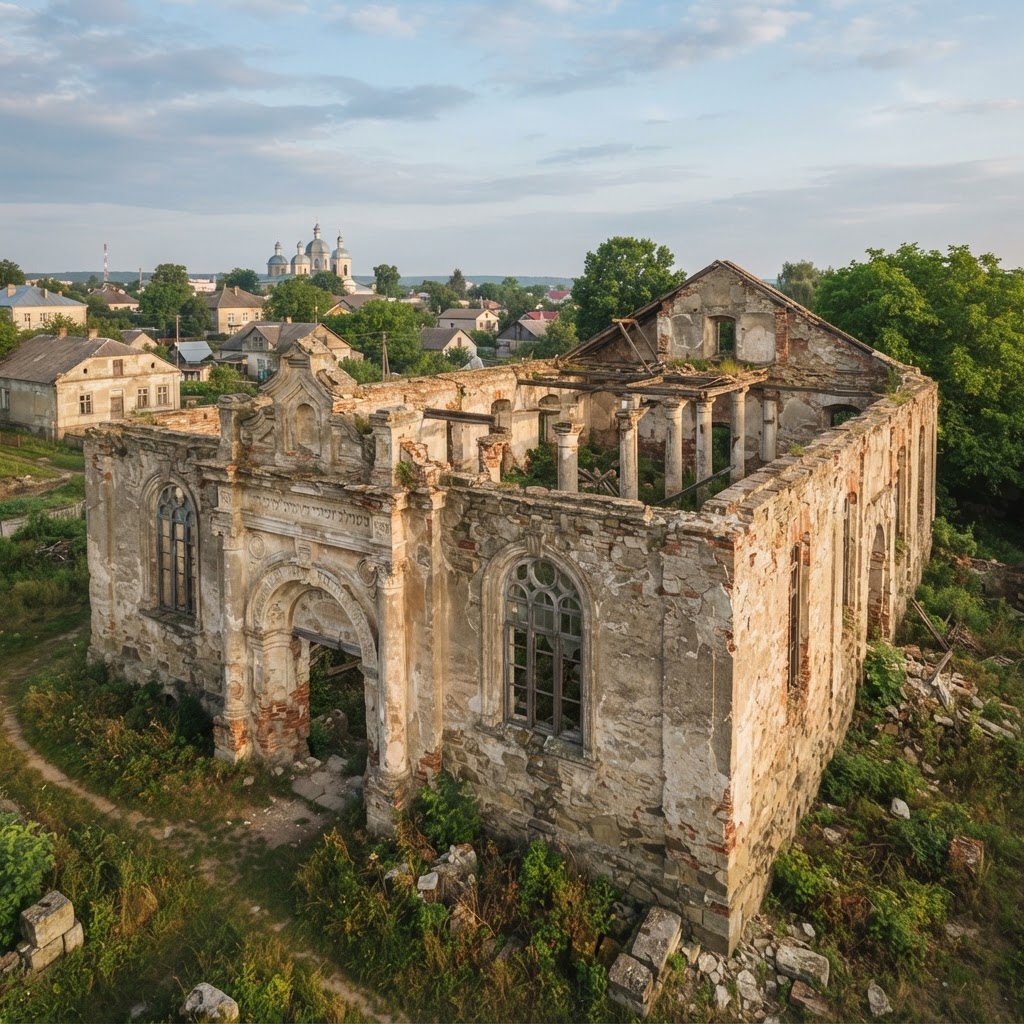
The Synagogue Ruins Waiting for a Community to Remember Them
history
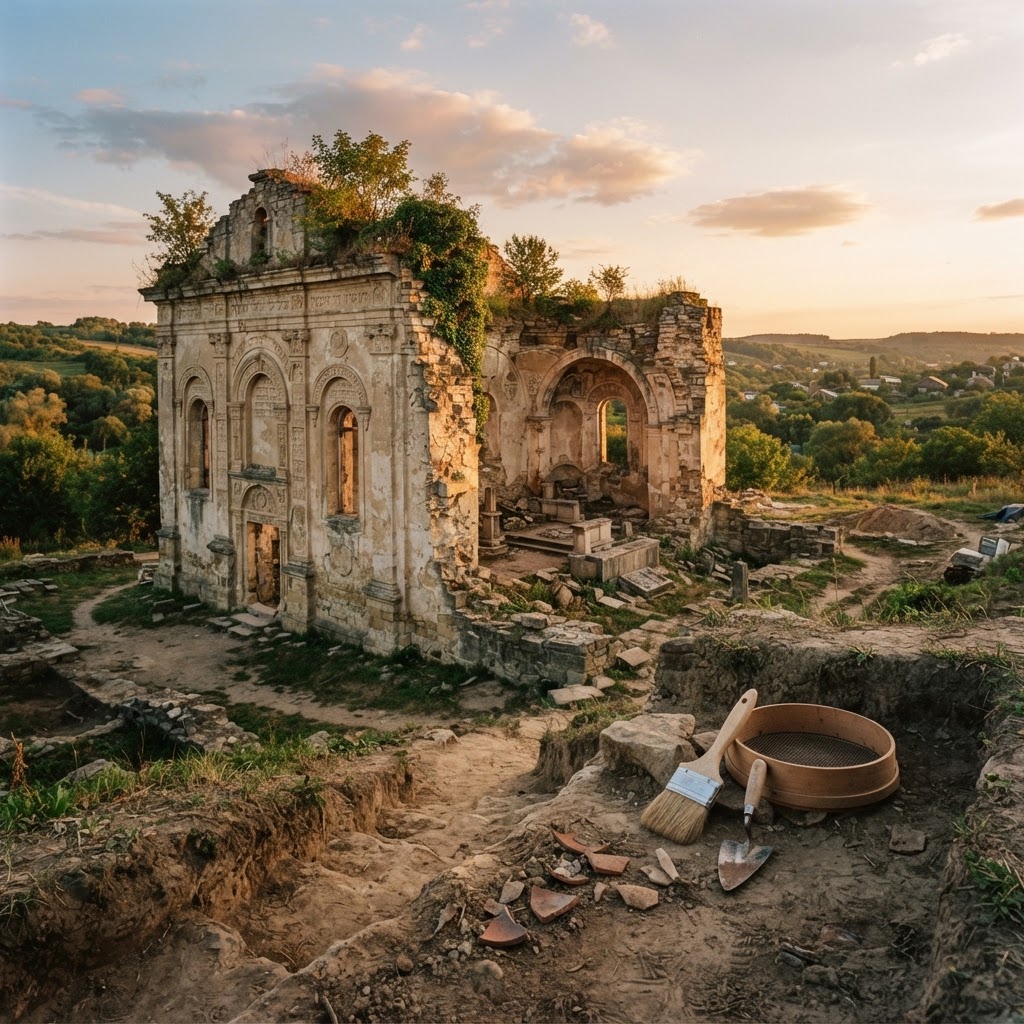
Protecting the Quiet Remains of Ukraine’s Jewish Past
history
✨ Explore More
The Ingenious Mathematics Behind the Hebrew Calendar
jewishness · english
Vilnius’s Jewish Cemetery and the Work of Remembering
history · english
A Lightweight Israeli Material Could Give Oil Spills a New Cleanup Tool
israel · english
Inside the Exhibition Where Artists Build Tomorrow from Yesterday’s Materials
society · english
Selichot Turns the Western Wall into a School of Reflection
jewishness · english
In the Dominican Republic, a Small Jewish Community Finds New Visibility
diaspora · english
How Jewish Children Learned Hebrew a Thousand Years Ago
jewishness · english
Ada Yonath’s Ribosome Legacy Still Shapes the Fight Against Drug Resistance
history · english
After Silence, the Score Returns: Reclaiming Germany's Synagogue Music
history · english
Starting Over, One Practical Step at a Time
diaspora · english
More Than a False Messiah: Why Sabbatai Zevi Still Shapes Jewish Memory
history · english
The Robot in the Orange Grove
israel · english
The Israeli Device Helping More People Be Heard
society · english
The Emergency Network Trying to Predict Where Help Will Be Needed Next
community · english
The Synagogue Ruins Waiting for a Community to Remember Them
history · english